In the farming community of Aframso in the Ashanti Region of Ghana, the sound of rain beating against the earth is a constant rhythm of life. But this October, as torrential rains swelled the Afram River and washed away the only bridge connecting the health center and some communities, two nurses — Patrick and Abigail — found themselves confronting more than just bad weather.
Armed with vaccine carriers, associated logistics and a sense of duty, they trekked through muddy paths, crossed flooded rivers, and braved broken bridges to ensure no girl was left behind in the first-ever nationwide Human Papillomavirus (HPV) vaccination campaign.
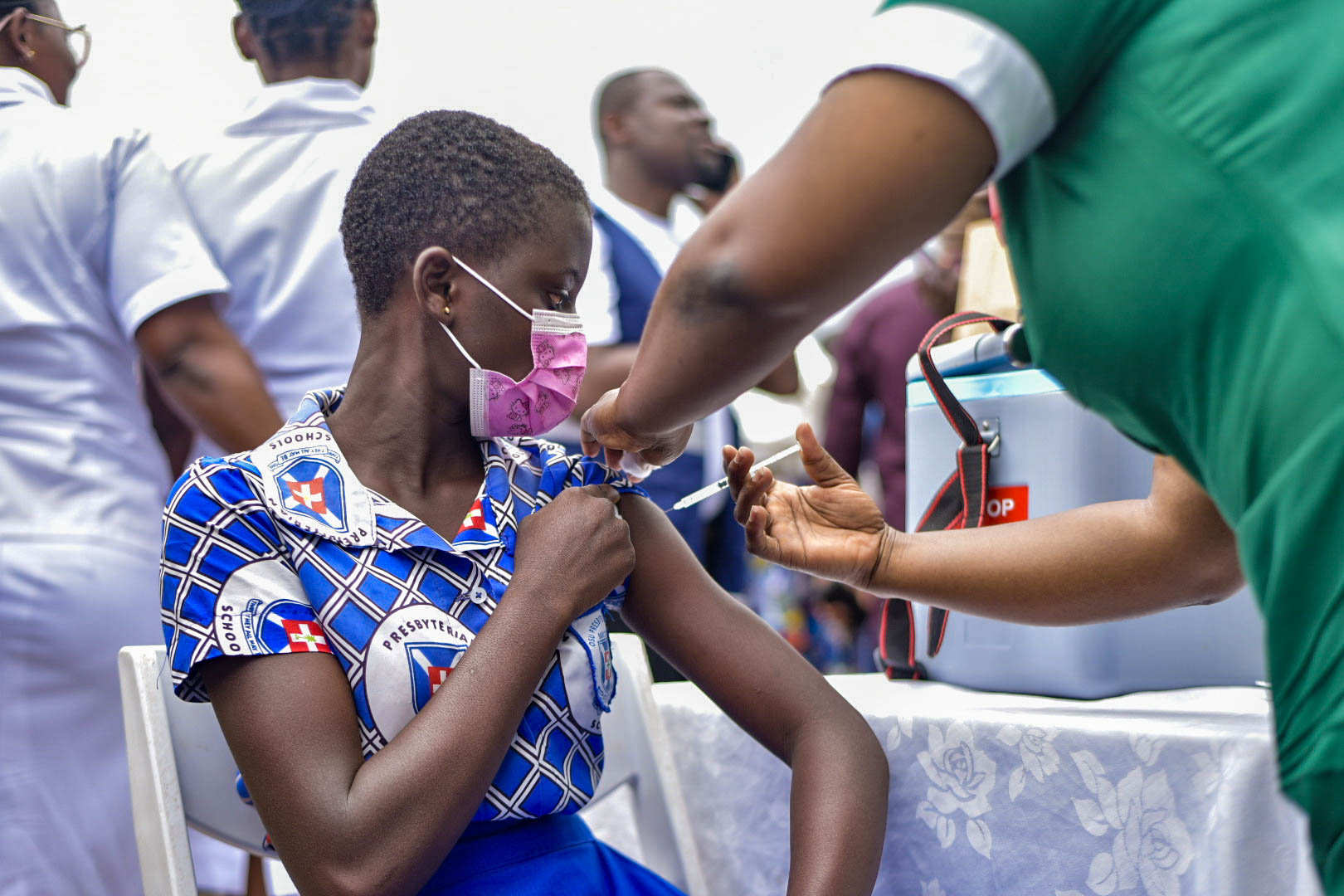
Photo @Abdul-Rahim Naa Abdul-Lahie/WHOGhana
This campaign did not happen overnight. Between 2013 to 2015, Ghana conducted pilot HPV vaccination in selected districts to assess feasibility of delivery the vaccine to a non-traditional target population (adolescent), community acceptance, and impact. The lessons from that pilot laid the groundwork for this year’s nationwide rollout. It was ambitious effort to protect millions of girls from cervical cancer, a disease that remains the second most common cancer among women in Ghana.
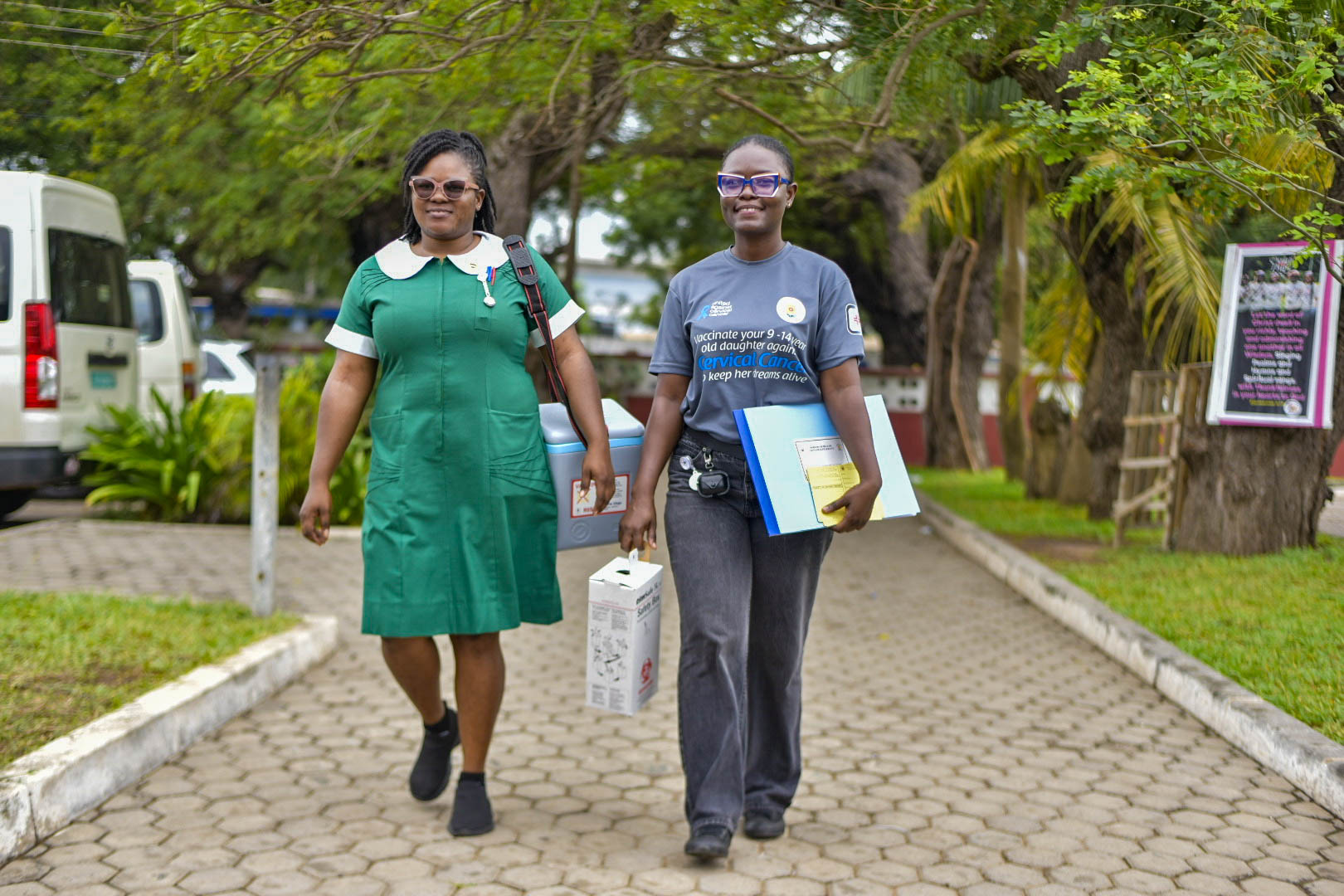
Photo @Abdul-Lahie Abdul-Rahim Naa/WHOGhana
From 8 to 14 October 2025, Ghana made history as health workers spread across schools, markets, and remote communities to deliver the HPV vaccine to girls aged 9 to 14 years. This age group was carefully selected because they are least likely to have been exposed to the virus through sexual contact. Vaccinating them early provides the strongest protection against future infection and, ultimately, against cervical cancer.
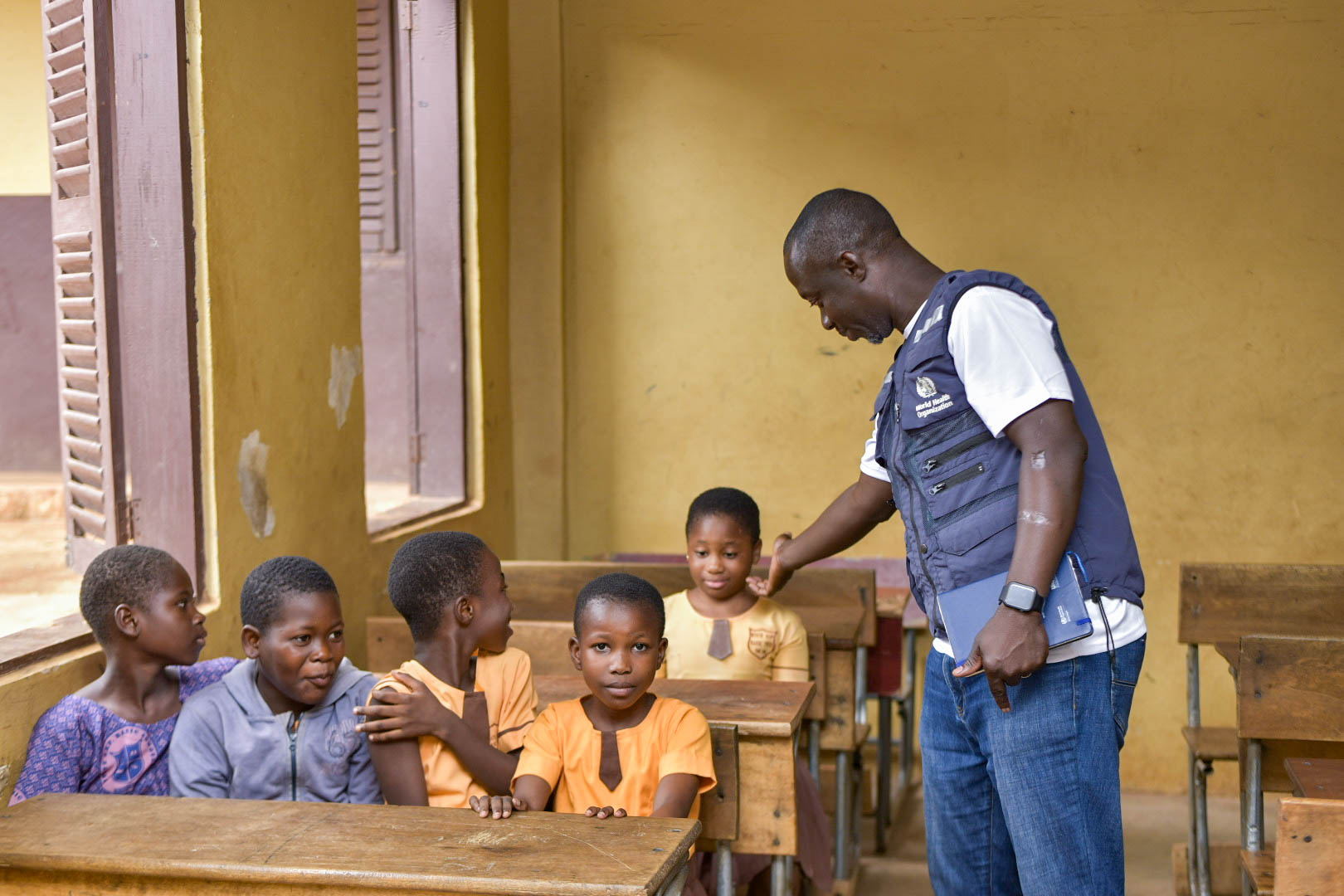
Photo @Abdul-Lahie Abdul-Rahim Naa/WHOGhana
Led by the Ghana Health Service with support from World Health Organization (WHO) and partners, the campaign reached both in-school girls and those out of school, including those in hard-to-reach and riverine areas. After this campaign, the HPV vaccine will be integrated into Ghana’s routine immunization schedule to ensure sustained protection for generations of girls to come.
By the end of the campaign, Ghana had achieved remarkable coverage, vaccinating 1,825,425 (82%) eligible girls. This milestone reflects not only the dedication of health workers in the field but also the strength of coordination between national and local authorities, schools, communities, and partners who came together to protect Ghana’s girls from cervical cancer.
By the end of the campaign, Ghana had achieved remarkable coverage, vaccinating 1,825,425 (82%) eligible girls. This milestone reflects not only the dedication of health workers in the field but also the strength of coordination between national and local authorities, schools, communities, and partners who came together to protect Ghana’s girls from cervical cancer.
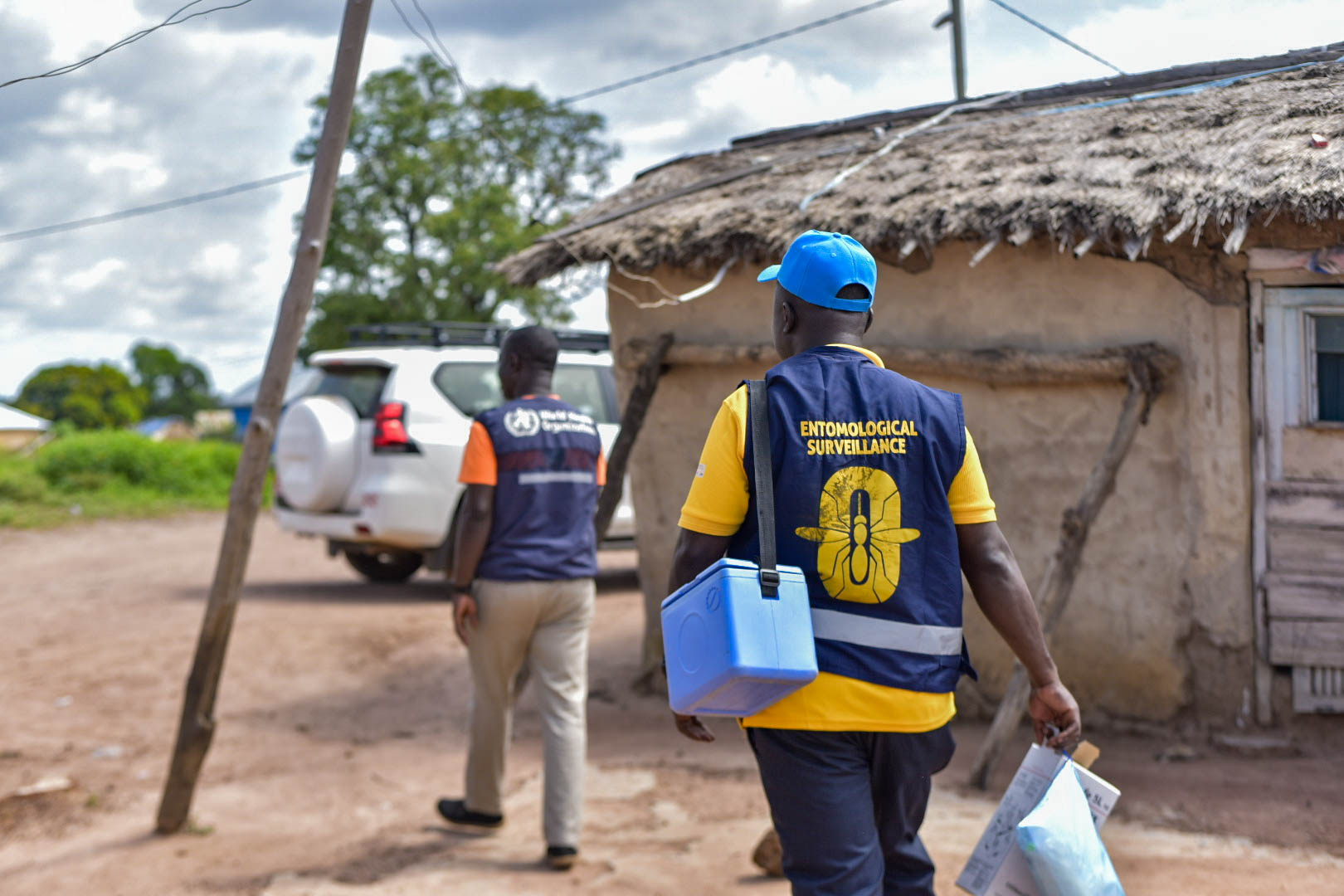
Photo @Abdul-Lahie Abdul-Rahim Naa/WHOGhana
But behind the impressive numbers are the unsung heroes — the health workers whose courage and compassion turned a national plan into real, life-saving impact.
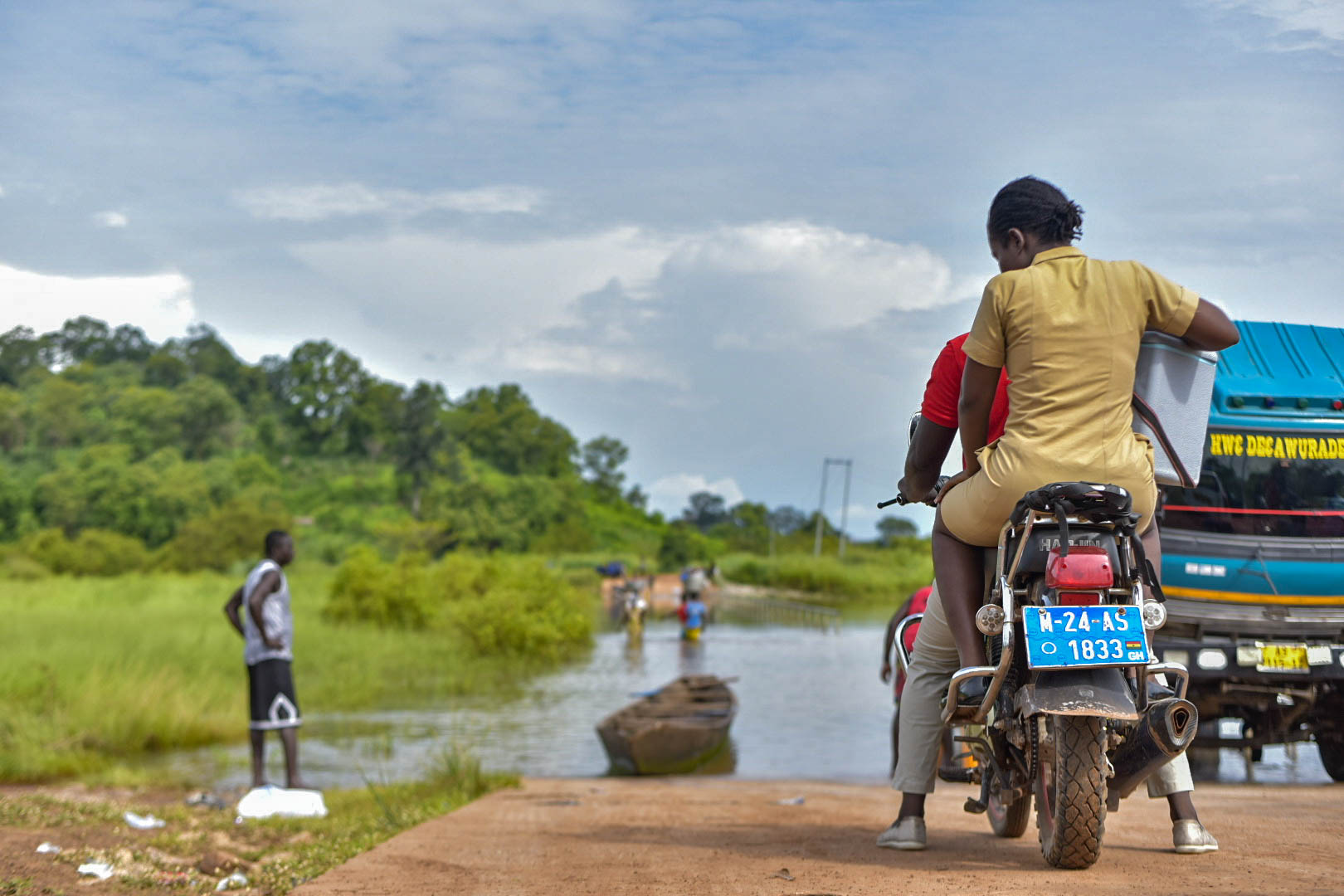
Photo @Abdul-Lahie Abdul-Rahim Naa/WHOGhana
In Sekyere Central District, the roads were nearly impassable. Communities like, Birem, Oku, and Asuboso were cut off by the swelling Afram River. Motorbikes sank in mud, wooden bridges disappeared under the current, and the rains kept falling. Yet Patrick and Abigail pressed on. They hired canoes with their own money, carried vaccine carriers on their heads and waded waist-deep through water to reach schools where girls had been gathered, waiting anxiously for their turn.

Photo @Abdul-Lahie Abdul-Rahim Naa/WHOGhana
“The roads were almost impassable, and some villages were cut off entirely. But stopping wasn’t an option. Every girl we reach today is a life protected tomorrow”, Abigail said.
Their determination echoed across districts like Ejura Sekyedumase, where vaccinators faced similar obstacles, crossing rivers and trekking long distances to reach girls who might otherwise be left behind.
Their determination echoed across districts like Ejura Sekyedumase, where vaccinators faced similar obstacles, crossing rivers and trekking long distances to reach girls who might otherwise be left behind.
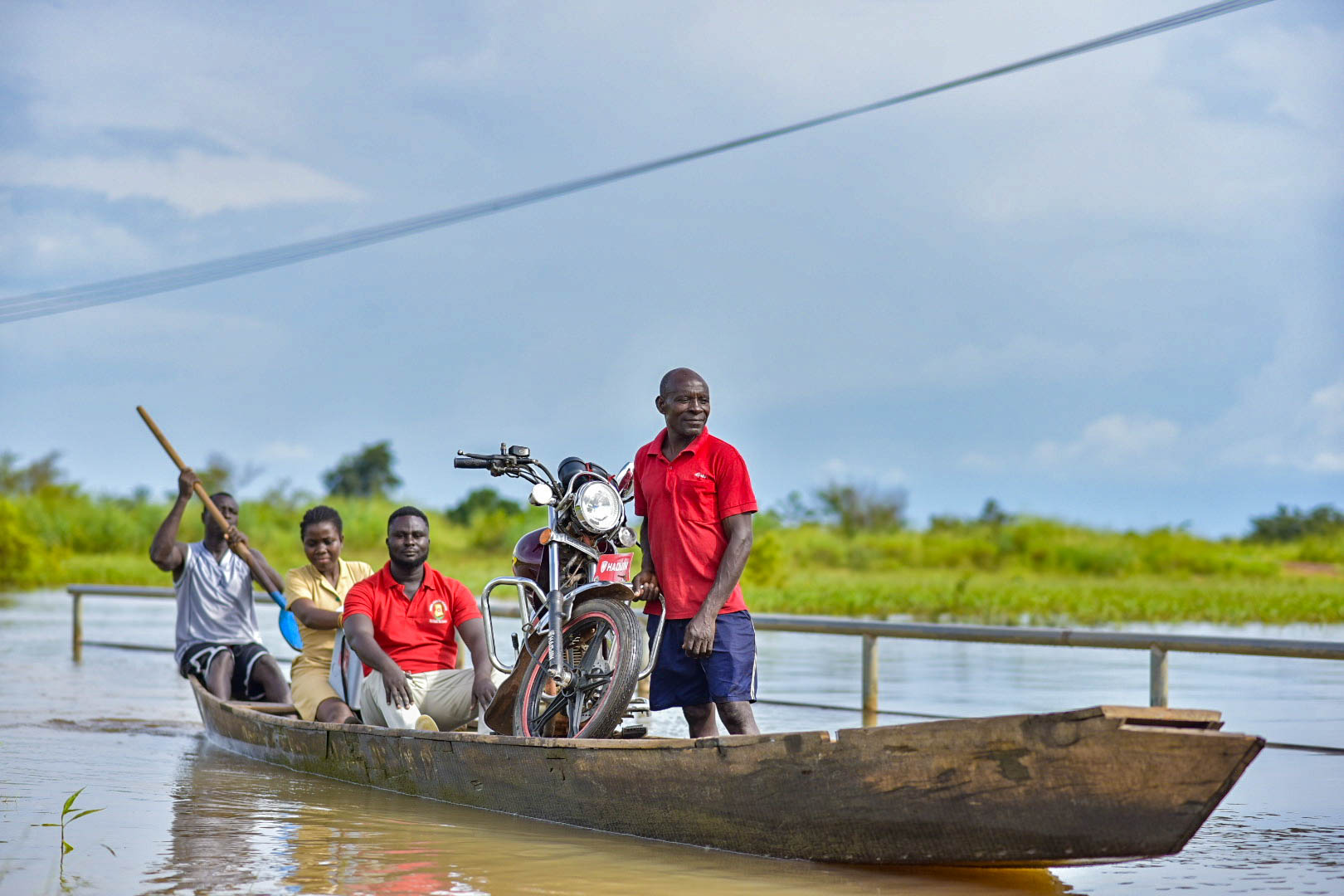
Photo @Abdul-Lahie Abdul-Rahim Naa/WHOGhana
For these health workers, the campaign was more than an assignment, it was a calling. They saw each vaccinated girl not just as a statistic, but as a child whose future could now be free from the pain, fear, and loss that cervical cancer brings to families.
Dr. Fiona Braka, WHO Representative to Ghana, commended their unwavering dedication. “Their resilience embodies the true spirit of universal health coverage. They remind us that every girl — no matter where she lives or who they are — deserves a fair chance at a healthy life”, she said.
Dr. Fiona Braka, WHO Representative to Ghana, commended their unwavering dedication. “Their resilience embodies the true spirit of universal health coverage. They remind us that every girl — no matter where she lives or who they are — deserves a fair chance at a healthy life”, she said.
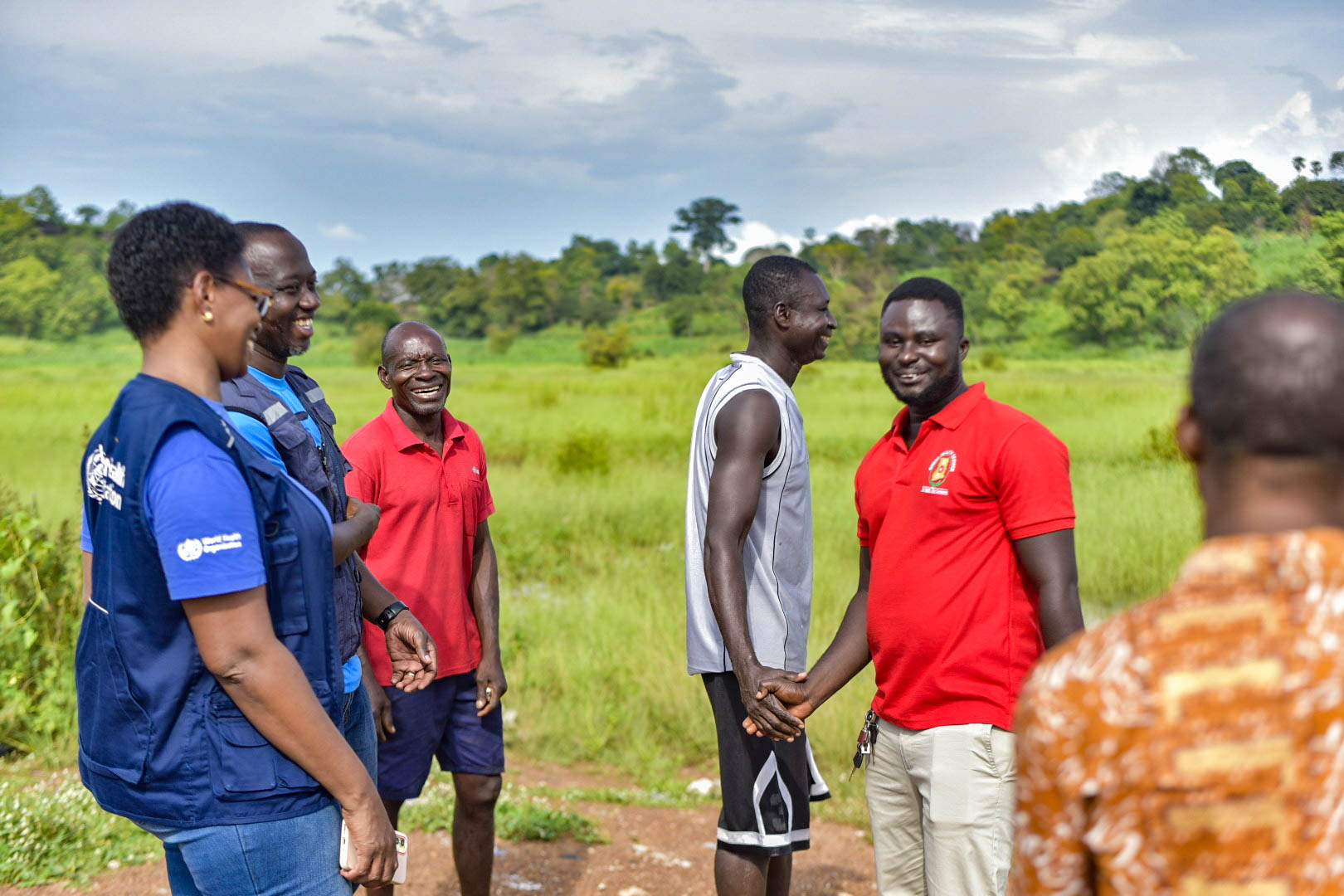
Photo @Abdul-Lahie Abdul-Rahim Naa/WHOGhana
By the end of the week, thousands of girls across the country had been vaccinated—thanks to the tireless work of people like Patrick and Abigail, who braved rain, mud, and rivers to reach every child they could.
As the sun set over Aframso on the campaign’s final day, the team sat by the riverbank, drenched but fulfilled. The rains had not stopped, but neither had they.
As the sun set over Aframso on the campaign’s final day, the team sat by the riverbank, drenched but fulfilled. The rains had not stopped, but neither had they.
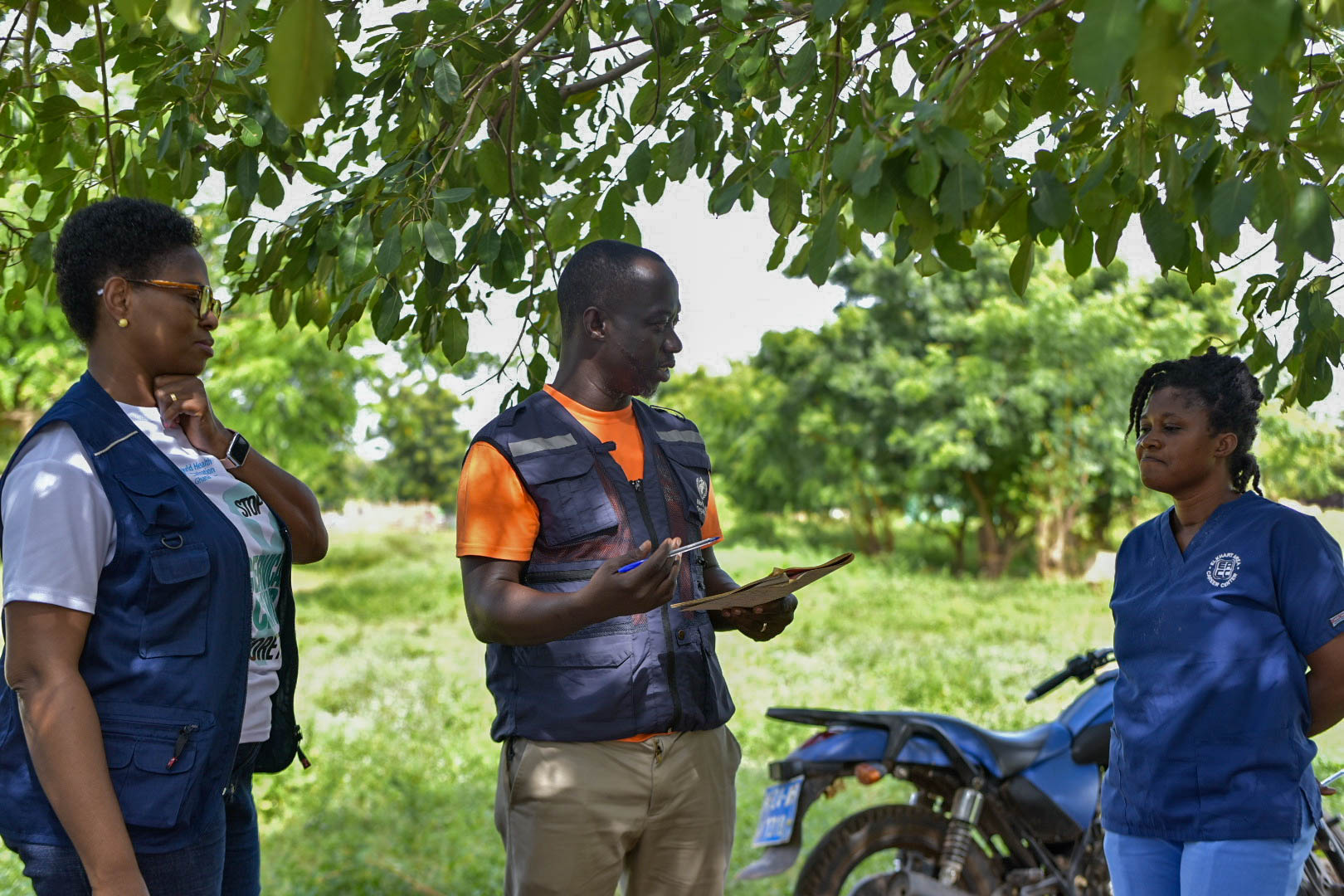
Photo @Abdul-Lahie Abdul-Rahim Naa/WHOGhana
“This vaccine will save lives. If our little effort means even one girl is protected, then it was worth our struggle”, Patrick said softly.
Through rains and fatigue, Ghana’s vaccinators carried not just vaccines, but the promise of a healthier, cancer-free future for the nation’s daughters
Through rains and fatigue, Ghana’s vaccinators carried not just vaccines, but the promise of a healthier, cancer-free future for the nation’s daughters
For Additional Information or to Request Interviews, Please contact:
Abdul-Lahie Abdul-Rahim Naa
Communications Officer
WHO Ghana Country Office
Email: abdullahiea@who.int
Tel: +233 20 196 2393
Abdul-Lahie Abdul-Rahim Naa
Communications Officer
WHO Ghana Country Office
Email: abdullahiea@who.int
Tel: +233 20 196 2393